How Retailers Can Build a Profitable Haberdashery Range
For retailers, a well-planned haberdashery range can serve customers looking for everything from quick clothing repairs and everyday sewing essentials to knitting and craft supplies. The challenge is deciding which products to stock and creating a range that covers common customer needs without becoming unnecessarily complicated.
Korbond supplies haberdashery and clothes care products across the UK, with a range spanning sewing, knitting, garment repair and craft essentials. For retailers looking to develop or expand their offering, focusing on complementary product categories can help create a practical range that customers can easily shop.
What Should a Retail Haberdashery Range Include?
A strong haberdashery range should cover both frequently used essentials and products associated with specific sewing, repair and craft tasks. This gives customers the opportunity to find individual items while also purchasing complementary products for a complete project.
Core categories to consider include sewing thread, needles, scissors, sewing kits, knitting accessories, yarn and clothing repair products.
Sewing Thread
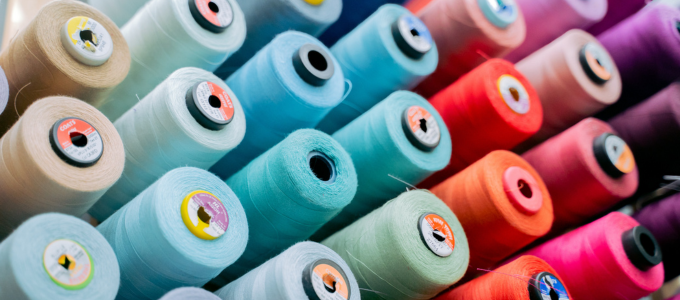
Sewing thread is a fundamental part of a haberdashery range because it supports repairs, alterations, dressmaking and other sewing projects.
Offering useful colours and thread types gives customers options for different tasks while creating natural opportunities to merchandise thread alongside needles, sewing kits and other sewing accessories.
Retailers looking to understand the category in more detail can read our guide on how to choose the right sewing thread for repairs, alterations and dressmaking.
Needles
Needles are another essential part of a well-rounded haberdashery range. Customers may need them for simple repairs, alterations, dressmaking or more specialised sewing projects, making it useful to offer options suited to different applications.
Positioning needles alongside thread and other sewing tools can also make it easier for customers to identify the products they need for a particular task.
Sewing Kits
Sewing kits provide a convenient option for customers who want several sewing essentials together. Different formats can serve different needs, from compact kits for travel and emergency repairs to more comprehensive options for regular sewing at home.
They can be particularly useful for customers who are new to sewing or who want an accessible solution for common clothing repairs.
For additional guidance, explore how to choose the right sewing kit for repairs, alterations and everyday use.
Scissors and Sewing Tools
A complete sewing range also needs practical tools. Scissors can support tasks ranging from cutting thread to working with fabric and craft materials, while other sewing tools can help customers complete repairs, alterations and creative projects.
Bringing complementary tools together within the same area can help retailers create a more intuitive range based around how products are actually used.
Include Clothing Repair Products
Clothing repair provides another relevant area for retailers developing their haberdashery supplies.
Products such as hemming tape and iron-on menders provide accessible solutions for customers who want to alter or repair clothing without undertaking a larger sewing project. Korbond already has established search visibility around these products, particularly hemming tape, making clothing repair a useful supporting theme within the wider range.
Retailers can therefore merchandise repair products alongside thread, needles and sewing tools to create clearer connections between related customer needs.
Don't Overlook Knitting Accessories and Yarn
Haberdashery does not need to stop at sewing. Knitting and yarn can broaden a retailer's craft offering while remaining closely related to its core haberdashery range.
Korbond's knitting accessories include tools for different knitting projects, while its yarn range provides complementary products that can be merchandised alongside them. Bringing these categories together makes it easier for customers to purchase the tools and materials required for a project while helping retailers create a more comprehensive sewing, knitting and craft offering.
Think in Terms of Customer Needs, Not Just Individual Products
One way to structure a haberdashery range is around the tasks customers want to complete.
Someone repairing a garment may need thread, needles, scissors or a clothing repair product. A customer beginning a sewing project could require a sewing kit and additional thread. Someone starting a knitting project may need both yarn and knitting accessories.
Connecting products in this way can make the range easier to navigate and creates logical opportunities for complementary merchandising.
The same principle can be applied online. Relevant internal links between sewing, knitting and haberdashery categories help customers move between complementary products while reinforcing the relationship between these areas of the range.
Choosing a Haberdashery Supplier
For retailers, choosing a haberdashery supplier involves considering more than individual products. The breadth of the range, suitability for different customer needs and ability to source complementary categories can all influence how effectively a haberdashery department can be built.
Korbond supplies retailers with products across haberdashery, sewing, knitting and clothes care, allowing businesses to source related categories from an established range.
For retailers reviewing their existing offering, the priority should be to establish the core products customers regularly need and then expand into closely related categories. This creates a focused range rather than adding disconnected product lines.
Building Your Haberdashery Range with Korbond
A successful haberdashery offering should make it straightforward for customers to find products for sewing, clothing repair, knitting and craft projects.
Starting with core haberdashery supplies such as thread, needles, sewing kits and scissors provides a strong foundation. Retailers can then complement these products with clothing repair solutions, knitting accessories, yarn and other relevant sewing tools.
Explore Korbond's full range of haberdashery supplies to discover products for your retail offering.
Frequently Asked Questions
What are haberdashery supplies?
Haberdashery supplies include products and tools used for sewing, clothing repairs, alterations and related craft projects. These can include sewing thread, needles, scissors, sewing kits, fastenings and other sewing accessories, with knitting and clothes care products often forming part of a wider haberdashery offering.
What haberdashery products should retailers stock?
A retail haberdashery range can start with core products such as sewing thread, needles, sewing kits and scissors. Clothing repair products, knitting accessories and yarn can then help broaden the range around related customer needs.
How do I choose a haberdashery supplier?
Retailers can consider the breadth of products available, the customer needs covered by the range and whether complementary sewing, knitting and clothes care categories can be sourced together. This can help create a more coherent retail offering rather than treating each product type separately.
Does Korbond supply haberdashery products to retailers?
Yes. Korbond supplies haberdashery, sewing, knitting and clothes care products for trade customers and retailers. The wider haberdashery and clothes care range includes complementary categories that retailers can use to develop their offering.
What is the difference between sewing supplies and haberdashery supplies?
Sewing supplies generally refer specifically to products used for sewing, such as thread, needles, scissors and sewing kits. Haberdashery supplies can encompass this core sewing range alongside other products associated with garment repair, clothes care, knitting and related crafts.